Wednesday, August 6, 2025

The Triumph of Sri Venkannayya’s Rama Bhakti A real-life episode from the 19th century narrating the extraordinary devotion that Sri Venkannayya had for Sri Ramachandra


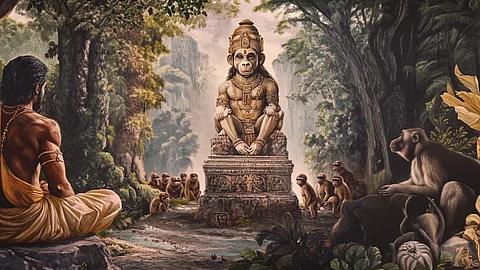
Venkannaya Meditating
Venkannayya Meditating dharmadispatch

Editor’s Note

THE STORY THAT FOLLOWS is an English adaptation of a real-life incident narrated in T.S. Shama Rao’s remarkable Kannada work titled Mooru Talemaru (Three Generations). 


The incident occurred in the life of his ancestor, Sri Venkannayya hailing from the Taluku town in Chitradurga district. It is set in early 19th century, some years after the Mysore kingdom had passed into British hands. Krishnaraja Wodeyar III was the nominal ruler.

At the time, Sri Venkannayya was working as a Revenue clerk in the Kannukuppe Taluk (now in the jurisdiction of Davanagere District). One ill-fated afternoon, Andrews, the District Magistrate of Chitradurga paid a surprise visit and suspended Venkannayya for no fault of his. 

What happened next is narrated below.

Happy reading!

The  Triumph of Sri Venkannayya’s Rama Bhakti

ALTHOUGH SRI VENKANNAYYA was distraught at this injustice meted out to him, he brought his mind under control. He thought, “I must’ve committed some mistake without my knowledge. That’s why Sri Rama has punished me like this. Still, he is also the creator and destroyer of all fears. It is my duty to submit everything to him.” 

Thinking thus, he left office, reached home, and headed to the bathroom. There, he poured about ten buckets of cold water over his head. Then he went to the Puja room in drenched clothes and took out the silk-encased volume of Srimad Ramayana kept in the Mantapa. He placed it inside a bag made of deerskin. After this, he slid a folded silk dhoti and Uttariya inside the bag. In another bag, he placed a copper pot and tumbler, an uddharaṇe (a small metal spoon used typically during Puja, etc), Vibhuti, Akshata, and Agarbhattis.

Then he called out to his wife and said, “Nobody in this house must search for me until I return. I am not abandoning home. I will return after some days.” 

***

There was a dense jungle about two miles from Kannukuppe; a small Anjaneya temple right in its center. Who knows which devotee built it in which era! There were a few tiny villages in a radius of about three miles of the forest’s periphery. The temple was located in a desolate place. A small stream of clear water flowed next to it. It was perfect for solitude. 

Darkness was setting in when Sri Venkannayya reached the temple. He took a bath in the stream, wore the sanctified garments and finished his Sandhyavandanam. Then he spread a towel on the floor of the temple and lay down on it and slept.

He awoke at the auspicious Brahmi Muhurtam the next morning, finished his ablutions in the same stream, donned the sanctified garments and finished his morning Sandhyavandanam. Then he initiated the Sundara Kanda Saptaha — i.e., reciting the 68 Sargas of the Sundara Kanda of the Srimad Ramayana spread over a week. 

After finishing the Pārāyaṇam (sacred recitation) for the day, he placed the Srimad Ramayana before the Murti of Anjaneya Swami and performed the ṣōḍaśopacāra Puja (Sixteen acts of homage) to both. 

By then, the afternoon sun was blazing. And so, he performed the afternoon Sandhyavandanam. Next, he collected a bunch of grass, pounded it with a stone and extracted a cupful of its juice. This he first offered to Anjaneya Swami as Naivedyam and drank it. 

Then he closed his eyes and chanted the Rama Taraka Mahamantra (Shri Rama Jaya Rama Jaya Jaya Rama) till evening. Now he took a bath in the stream and performed the evening Sandhyavandanam as before. This was followed once again, by the chanting of the Rama Taraka Mantra till midnight. Finally, he spread his Uttariya on the temple floor and slept on it. 

This became his Nitya Karma — daily routine. 

EVENTUALLY, SOME COWHERDS spread the news to the neighbouring villages that someone was performing daily Puja in the Anjaneya Temple. 

Almost immediately, villagers began flocking to the temple. They brought coconuts, plantains, jaggery and milk with them. 

But something else occurred simultaneously. 

Hundreds of monkeys from the forest unfailingly assembled at the temple at the exact moment that Sri Venkannayya began his Pārāyaṇam. They sat there in rapt silence listening to him, indulging in no mischief. On many occasions, they gathered different varieties of fruits and figs and berries and strew them around in the temple’s portico. 

Sri Venkannayya distributed the offerings of the villagers to the monkeys and the offerings of the monkeys to the villagers as Prasadam. He contented himself with only the juice of the grass. 

Six days elapsed in this manner.

*** 

BY THEN, NEWS OF the unjust suspension of Sri Venkannayya had become a hot topic in Chitradurga, the District Headquarters. Words flew thick and fast among the District Magistrate, the Assistant Commissioner and the Amaldar. Everyone vouched for Venkannayya’s spotless conduct and pious character. 

Eventually, Andrews was convinced of the error of his ways and he expressed his profound remorse. To atone, he not only revoked the suspension but promoted Sri Venkannayya to the position of a  Shekhdaar. It was a huge elevation from being a Revenue clerk to becoming the officer incharge of collecting the revenue of an entire Hobli (an administrative unit smaller than a Taluk but larger than a village). 

The Amaldar who took Andrew’s order reached the Anjaneya Temple after two days. It was around three in the afternoon. By then, Sri Venkannayya had finished his Pārāyaṇam and Puja. He was seated before the Murti of Hanuman, his palms firmly joined together, his eyes closed in deep penance, his lips noiselessly chanting the sacred name of Sri Rama.  

Tears of joy flowed from the Amaldar’s eyes the moment he beheld this radiant form of Sri Venkannayya. Then he looked around and spotted a sizeable crowd of villagers and monkeys standing in reverential silence. 

At long last, Venkannayya finished his penance and stood up and saw the Amaldar, who rushed towards him and embraced him warmly and said, “Swami, your Lord Sri Ramachandra has removed your stain. Not only that, he has also bestowed prosperity upon you. Look at this order, you have been promoted as the Shekhdaar of the Parashuramapura Hobli!” 

As Sri Venkannayya read the order, his eyes became moist and his throat was choked. He said, “All this is the infinite grace of Sri Ramachandra. He has washed away the taint that had been attached to my name. This promotion is merely incidental.”

After some time, he escorted the Amaldar to a large boulder and seated him on it. Then he entered the temple and brought some Prasadam and coconut water and offered them to the Amaldar. 

It was twilight. 

Sri Venkannayya stood before the Murti of Hanuman, closed his eyes, chanted some verses and prostrated before him. Then he turned around and looked at the crowd of the monkeys. With tears in his eyes, he folded his hands before them in devotion and bid them goodbye. 

The Dharma Dispatch is now available on Telegram! For original and insightful narratives on Indian Culture and History, subscribe to us on Telegram


Monday, April 7, 2025

Story number 1: Vikram and Vetal series विक्रम और वेताल श्रृंखला ( The Tale of Shur Sharma/ शूर शर्मा की कहानी )

नीचे स्क्रॉल करके हिंदी में पढ़ें


The Eerie Night

It was a strange night, filled with an unsettling atmosphere. Rain fell intermittently, and at intervals, the roaring thunder mingled with the haunting moans of jackals and hyenas, alongside the eerie laughter of spirits. Flashes of lightning illuminated fearful faces. Yet, King Vikram remained undeterred. He climbed the ancient tree once more and retrieved the corpse. However, as soon as he began crossing the desolate cremation ground with the corpse draped over his shoulder, the vampire possessing the body spoke, “O King, I cannot fathom what kind of supernatural power you seek that requires such effort. But I assure you, acquiring such power does not guarantee your welfare. Allow me to share an instance that may offer you some insight.”

Story number 1 : The Tale of Shur Sharma

The vampire continued: In Vaishali lived a Brahmin named Shur Sharma. He was a priest by profession and quite well-off, yet he was more learned than any ordinary priest. His extensive knowledge brought him no additional benefits, and he felt envy towards those scholars who were honored by the king. Shur Sharma had only one child, a son named Krishna Sharma, who successfully completed his studies in the Vedic school and began assisting his father with priestly duties. Shur Sharma recognized his son’s capabilities and felt comfortable leaving him home alone for a few days.

“I am going on a pilgrimage,” he told Krishna, and departed from the town. He journeyed into the Himalayan region in search of a Yogi who had mastered supernatural powers. Fortune smiled upon him, and he soon met such a Yogi. He served the Yogi diligently for several months.

The Quest for Power

One day, the Yogi remarked, “Brahmin, you left your family behind; I doubt you lost all interest in worldly affairs. I sense you are here to fulfill a desire. Would you like me to teach you a secret to satisfy your wish?”

“O great soul, I shall not conceal anything from you. I desire fame and wealth. Please bestow upon me the secret that will lead to these riches,” Shur Sharma replied, hands folded in reverence.

“Brahmin, it would have been praiseworthy for you to rise above such fleeting desires. Since you cling to them, I shall oblige. I can teach you a hymn that can summon rain or halt it at will. This will bring you both fame and wealth. But heed my warning—do not let greed blind you to your circumstances,” warned the Yogi.

The Consequences of Greed

Elated, Shur Sharma returned to Vaishali and discovered that his homeland was suffering from a severe drought. The king had performed numerous rituals, but none succeeded. A proclamation was made: anyone who could bring rain would be richly rewarded.

“My son,” Shur Sharma told Krishna, “I possess a hymn that can summon rain whenever I wish. I will teach it to you, in case I forget.” He instructed Krishna on how to face north, stand on one leg, and recite the hymn thrice for both sending and stopping the rain.

“Father,” Krishna implored, “why don’t you perform the rite facing north right now? Drought is ruining crops and threatening lives!”

“Do not speak foolishly! If I summon the rain here, how will the king know it is my power? I endured great effort to learn this hymn for nothing! The king must witness the miracle to reward me,” said Shur Sharma.


With that, he set off to meet the king, confidently declaring, “The rains will come at my command!” The king, skeptical but intrigued, promised a reward of ten thousand gold coins if he succeeded.

“Watch what I can do within an hour,” Shur Sharma replied. He went to a deserted temple outside the town, took a dip in the water, and made unnecessary gestures and postures. While the king’s emissary monitored him closely, he stood on one leg facing north and recited the hymn thrice. Dark clouds gathered above, and moments later, heavy rain poured down.

However, in the deserted temple, excitement turned to horror when Shur Sharma was found dead, the proceeds from his miracle stolen by bandits who lurked in that lonely place. The king, distraught and uncertain of how to stop the rain, sought guidance from the chief minister.

When the chief minister approached Krishna Sharma about the tragedy, Krishna stood silent in disbelief. The minister expressed sorrow for the loss and posed the question, “How can we stop the rain?”

“What can we do but pray to God?” Krishna said, and he faced north, standing on one leg, and recited the hymn thrice. The rain ceased immediately, though no one knew of Krishna’s actions.

The vampire turned to King Vikram indignantly. “How could Krishna Sharma, the son of such a clever man, act so foolishly? Why didn’t he prove his knowledge of the hymn before the minister and claim his reward? Was it fear of assassination that kept him silent? Answer me, or your head shall roll!”

King Vikram replied, “Far from foolish, Krishna Sharma was wise. He urged his father to bring down the rain without craving a reward. His father foolishly prioritized wealth over safety. Mastery of power was meaningless without self-control. Krishna sought neither fame nor wealth. His detachment kept his skill a secret.”

As soon as King Vikram finished, the vampire vanished, leaving only the corpse behind.


कहानी संख्या 1: शूर शर्मा की कहानी

पिशाच ने आगे कहा: वैशाली में शूर शर्मा नाम का एक ब्राह्मण रहता था। वह पेशे से पुजारी था और काफी संपन्न था, फिर भी वह किसी भी सामान्य पुजारी से अधिक विद्वान था। उसके व्यापक ज्ञान से उसे कोई अतिरिक्त लाभ नहीं हुआ, और वह उन विद्वानों से ईर्ष्या करता था जिन्हें राजा द्वारा सम्मानित किया जाता था। शूर शर्मा का केवल एक ही बच्चा था, कृष्ण शर्मा नाम का एक बेटा, जिसने वैदिक विद्यालय में सफलतापूर्वक अपनी पढ़ाई पूरी की और अपने पिता के पुरोहिती कर्तव्यों में सहायता करने लगा। शूर शर्मा ने अपने बेटे की क्षमताओं को पहचाना और उसे कुछ दिनों के लिए घर पर अकेला छोड़ने में सहज महसूस किया।

“मैं तीर्थ यात्रा पर जा रहा हूँ,” उसने कृष्ण से कहा, और शहर से चला गया। वह एक योगी की तलाश में हिमालय क्षेत्र में यात्रा करता है, जिसने अलौकिक शक्तियों में महारत हासिल की है। भाग्य ने उस पर मेहरबान होकर, जल्द ही उसे एक ऐसे योगी से मुलाकात की। उसने कई महीनों तक योगी की लगन से सेवा की।


सत्ता की तलाश

एक दिन, योगी ने टिप्पणी की, "ब्राह्मण, तुमने अपने परिवार को पीछे छोड़ दिया; मुझे संदेह है कि तुमने सांसारिक मामलों में सारी रुचि खो दी है। मुझे लगता है कि तुम यहाँ एक इच्छा पूरी करने के लिए आए हो। क्या तुम चाहोगे कि मैं तुम्हें अपनी इच्छा पूरी करने का रहस्य बताऊँ?"

"हे महान आत्मा, मैं तुमसे कुछ नहीं छिपाऊँगा। मुझे प्रसिद्धि और धन की इच्छा है। कृपया मुझे वह रहस्य बताएँ जो इन धन-संपत्तियों की ओर ले जाएगा," शूर शर्मा ने श्रद्धापूर्वक हाथ जोड़कर उत्तर दिया।

"ब्राह्मण, ऐसी क्षणभंगुर इच्छाओं से ऊपर उठना तुम्हारे लिए प्रशंसनीय होता। चूँकि तुम उनसे चिपके रहते हो, इसलिए मैं तुम्हारी मदद करूँगा। मैं तुम्हें एक ऐसा भजन सिखा सकता हूँ जो बारिश को बुला सकता है या उसे इच्छानुसार रोक सकता है। इससे तुम्हें प्रसिद्धि और धन दोनों मिलेंगे। लेकिन मेरी चेतावनी पर ध्यान दो - लालच में अपनी परिस्थितियों के प्रति अंधे मत बनो," योगी ने चेतावनी दी।


लोभ के परिणाम

उत्साहित होकर शूर शर्मा वैशाली लौटे और पाया कि उनकी मातृभूमि भयंकर सूखे से पीड़ित थी। राजा ने कई अनुष्ठान किए, लेकिन कोई भी सफल नहीं हुआ। एक घोषणा की गई: जो कोई भी बारिश ला सकता है, उसे भरपूर इनाम दिया जाएगा।

शूर शर्मा ने कृष्ण से कहा, "मेरे बेटे, मेरे पास एक ऐसा भजन है, जिससे मैं जब चाहूँ बारिश ला सकता हूँ। अगर मैं भूल गया तो मैं तुम्हें यह सिखा दूँगा।" उन्होंने कृष्ण को उत्तर की ओर मुँह करके, एक पैर पर खड़े होकर, बारिश भेजने और रोकने के लिए तीन बार भजन पढ़ने का तरीका बताया।

कृष्ण ने विनती की, "पिताजी, आप अभी उत्तर की ओर मुँह करके अनुष्ठान क्यों नहीं करते? सूखे से फसलें बर्बाद हो रही हैं और लोगों की जान को खतरा है!"

"मूर्खतापूर्ण बातें मत करो! अगर मैं यहाँ बारिश बुलाऊँगा, तो राजा को कैसे पता चलेगा कि यह मेरी शक्ति है? मैंने इस भजन को सीखने के लिए बहुत प्रयास किया है! मुझे पुरस्कृत करने के लिए राजा को चमत्कार देखना होगा," शूर शर्मा ने कहा।

इसके साथ ही, वह राजा से मिलने के लिए निकल पड़ा, और पूरे विश्वास के साथ घोषणा की, "मेरे आदेश पर बारिश आएगी!" राजा ने, संदेह करते हुए लेकिन उत्सुकता से कहा कि अगर वह सफल हुआ तो उसे दस हज़ार स्वर्ण मुद्राएँ इनाम में मिलेंगी।

शूर शर्मा ने जवाब दिया, "देखो मैं एक घंटे के अंदर क्या कर सकता हूँ।" वह शहर के बाहर एक सुनसान मंदिर में गया, पानी में डुबकी लगाई और अनावश्यक इशारे और मुद्राएँ बनाईं। जबकि राजा के दूत ने उस पर कड़ी नज़र रखी, वह उत्तर की ओर मुँह करके एक पैर पर खड़ा था और तीन बार भजन का पाठ किया। ऊपर काले बादल छा गए और कुछ ही क्षणों बाद भारी बारिश होने लगी।


हालाँकि, सुनसान मंदिर में, उत्साह तब भय में बदल गया जब शूर शर्मा मृत पाया गया, उसके चमत्कार से प्राप्त धन को उस सुनसान जगह में छिपे डाकुओं ने चुरा लिया। राजा, व्याकुल और अनिश्चित कि बारिश को कैसे रोका जाए, ने मुख्यमंत्री से मार्गदर्शन माँगा।

जब मुख्यमंत्री ने कृष्ण शर्मा से त्रासदी के बारे में पूछा, तो कृष्ण अविश्वास में चुप खड़े रहे। मंत्री ने नुकसान पर दुख व्यक्त किया और सवाल पूछा, "हम बारिश को कैसे रोक सकते हैं?"

“हम भगवान से प्रार्थना करने के अलावा और क्या कर सकते हैं?” कृष्ण ने कहा, और वह उत्तर की ओर मुँह करके एक पैर पर खड़े हो गए, और तीन बार भजन का पाठ किया। बारिश तुरंत बंद हो गई, हालांकि किसी को भी कृष्ण के कार्यों के बारे में पता नहीं था।

पिशाच ने राजा विक्रम की ओर क्रोध से देखा। “ऐसे चतुर व्यक्ति का पुत्र कृष्ण शर्मा इतनी मूर्खतापूर्ण हरकत कैसे कर सकता है? उसने मंत्री के सामने अपने ज्ञान को साबित क्यों नहीं किया और अपना इनाम क्यों नहीं लिया? क्या हत्या के डर से वह चुप था? मुझे जवाब दो, नहीं तो तुम्हारा सिर कट जाएगा!”

राजा विक्रम ने उत्तर दिया, “मूर्खता से कोसों दूर, कृष्ण शर्मा बुद्धिमान था। उसने अपने पिता से इनाम की लालसा किए बिना बारिश लाने का आग्रह किया। उसके पिता ने मूर्खतापूर्वक सुरक्षा पर धन को प्राथमिकता दी। आत्म-नियंत्रण के बिना शक्ति पर महारत हासिल करना निरर्थक था। कृष्ण ने न तो प्रसिद्धि चाही और न ही धन। उनकी उदासीनता ने उनके कौशल को गुप्त रखा।”

जैसे ही राजा विक्रम ने समाप्त किया, पिशाच गायब हो गया, केवल लाश को पीछे छोड़ दिया।


Saturday, March 29, 2025

Rani Kurma devi रानी कूर्म देवी

 हिंदी में पढ़ने के लिए स्क्रॉल डाउन करें 


The story of Kurma Devi of Chittor is one of courage and resistance during medieval India’s battles against invaders.


Who was Kurma Devi?

Kurma Devi was a Rajput warrior queen, believed to be the wife of Rana Samar Singh of Mewar. She is known for her brave resistance against Alauddin Khilji, the Sultan of Delhi, when he invaded Chittor in 1303 CE.


The Siege of Chittor (1303 CE)

Alauddin Khilji attacked Chittor with the intention of conquering the fort and capturing Rani Padmini, the legendary queen of Chittor. The Rajputs, under Rana Samar Singh, fought fiercely but were ultimately overpowered. The fort fell, and many Rajput warriors perished.


Kurma Devi’s Resistance

Even after Chittor was captured, Kurma Devi refused to surrender. According to some accounts, she gathered an army of surviving Rajput warriors and launched a counterattack against Alauddin Khilji’s forces. She is said to have personally wounded Khilji in battle, showcasing immense valor. However, her forces were eventually overwhelmed.

Legacy

Though Kurma Devi’s rebellion did not succeed in reclaiming Chittor, her bravery remains an inspiring tale of Rajputani courage. She is remembered as a warrior who fought to protect her land and honor.


चित्तौड़ की वीरांगना कूर्मा देवी की कहानी


कूर्मा देवी कौन थीं?

कूर्मा देवी मेवाड़ के राणा समर सिंह की पत्नी थीं और एक साहसी राजपूत वीरांगना के रूप में जानी जाती हैं। जब अलाउद्दीन खिलजी ने 1303 ईस्वी में चित्तौड़ पर हमला किया, तब उन्होंने अद्भुत वीरता दिखाई।


चित्तौड़ का युद्ध (1303 ई.)

दिल्ली के सुल्तान अलाउद्दीन खिलजी ने रानी पद्मिनी को पाने की इच्छा से चित्तौड़ पर आक्रमण किया। राणा समर सिंह और राजपूतों ने दुश्मनों के खिलाफ जमकर युद्ध किया, लेकिन अंततः खिलजी की विशाल सेना के आगे चित्तौड़ हार गया। युद्ध में राणा समर सिंह वीरगति को प्राप्त हुए, और राजपूत महिलाओं ने जौहर कर लिया।


कूर्मा देवी का प्रतिशोध

चित्तौड़ हारने के बावजूद, कूर्मा देवी ने हार नहीं मानी। उन्होंने बचे हुए राजपूत योद्धाओं को संगठित किया और अलाउद्दीन खिलजी के खिलाफ युद्ध छेड़ दिया। कहा जाता है कि उन्होंने खुद तलवार उठाकर युद्ध में हिस्सा लिया और अलाउद्दीन खिलजी को घायल कर दिया। हालांकि, उनकी सेना छोटी थी और अंततः पराजित हो गई।


वीरता की अमर गाथा

हालांकि कूर्मा देवी चित्तौड़ को वापस नहीं जीत सकीं, लेकिन उनकी साहसिक गाथा इतिहास में अमर हो गई। वे उन वीरांगनाओं में गिनी जाती हैं, जिन्होंने अपनी मातृभूमि और सम्मान की रक्षा के लिए प्राण तक न्योछावर कर दिए।


Sunday, March 23, 2025

वाल्मीकि रामायण एवं रामचरितमानस में अंतर . Difference between Valmiki Ramayan and Ramcharitmanas of Tulsidas

 Scroll down to read in English 


वाल्मीकि रामायण एवं रामचरितमानस में अंतर..अंत तक जरुर पढ़े

महर्षि वाल्मीकि ने युगों पहले मूल रामायण की रचना की थी जिसमें भगवान विष्णु के ७वें अवतार श्रीराम की लीलाओं का वर्णन है। तुलसीदास जी ने मानस की रचना की उस समय मुग़ल हिन्दू धर्म को मिटाने का पूरा प्रयास कर रहे थे।

वाल्मीकि रामायण एवं रामचरितमानस के घटनाक्रमों में अंतर..

रामायण का अर्थ है राम की कथा अथवा मंदिर, वहीं रामचरितमानस का अर्थ है राम चरित्र का सरोवर। मंदिर में जाने के कुछ नियम होते हैं इसी कारण वाल्मीकि रामायण को पढ़ने के भी कुछ नियम हैं, इसे कभी भी कैसे भी नहीं पढ़ा जा सकता। इसके उलट रामचरितमानस को लेकर कोई विशेष नियम नहीं है। इसमें एक सरोवर की भांति स्वयं को पवित्र किया जा सकता है।

वाल्मीकि रामायण के राम मानवीय हैं जबकि रामचरितमानस के राम अवतारी। चूंकि वाल्मीकि श्रीराम के समकालीन थे, उन्होंने श्रीराम का चरित्र सहज ही रखा है। वाल्मीकि के लिए राम मर्यादा पुरुषोत्तम हैं, अर्थात पुरुषों में श्रेष्ठ। इसके उलट तुलसीदास के लिए श्रीराम ना केवल अवतारी हैं बल्कि उससे भी ऊपर परब्रह्म हैं। इसका वर्णन मानस में इस प्रकार किया गया है कि जब मनु एवं शतरूपा ब्रह्मा, विष्णु एवं महेश से वरदान लेने से मना कर देते हैं तो परब्रह्म श्रीराम उन्हें दर्शन देते हैं।तुलसीदास के लिए श्रीराम उन नारायण, जिनके वे अवतार थे, उनसे भी ऊपर हैं।

महर्षि वाल्मीकि श्रीराम के प्रसंशक थे किन्तु उनके आराध्य भगवान शंकर थे जिनकी सहायता से उन्होंने रामायण की रचना की। तुलसीदास श्रीराम के अनन्य भक्त थे और ऐसी मान्यता है कि उन्होंने रामचरितमानस की रचना स्वप्न में भगवान शिव की आज्ञा के बाद की जिसमें रामभक्त हनुमान ने उनकी सहायता की।

रामायण में वनवास के समय महर्षि वशिष्ठ अत्यंत क्रोधित होकर कैकेयी से कहते हैं कि यदि राम वन जाएँ तो सीता को ही सिंहासन पर बिठाया जाये। स्त्री सशक्तिकरण का ये जीवंत उदाहरण है। रामचरितमानस में ऐसा वर्णन नहीं है।

वाल्मीकि रामायण में ऋषि गौतम की पत्नी अहिल्या को अदृश्य हो उसी आश्रम में रहने का श्राप मिला था जबकि रामचरितमानस में वे पत्थर की शिला बन जाती हैं।

वाल्मीकि रामायण में श्रीराम अहिल्या का उद्धार उनके पैरों को छू कर करते हैं जबकि रामचरितमानस में श्रीराम अपने पैर को अहिल्या की शिला पर रख कर अपनी चरण धूलि से उसका उद्धार करते हैं।


वाल्मीकि रामायण में भगवान शंकर के "पिनाक" धनुष का वर्णन है जिसे श्रीराम ने तोडा किन्तु रामचरतिमानस में उसे केवल "शिव धनुष" कहा गया है।

रामचरितमानस के अनुसार धनुष टूटने पर परशुराम स्वयंवर स्थल में आये और उन्होंने श्रीराम से अपने धनुष पर प्रत्यंचा चढाने को कही। वाल्मीकि रामायण के अनुसार जब श्रीराम विवाह के बाद अयोध्या लौट रहे थे तब मार्ग में उन्हें परशुराम मिले और श्रीराम ने उनका क्रोध शांत करने के लिए उनके वैष्णव धनुष पर प्रत्यंचा चढ़ाई।

रामचरितमानस में खर-दूषण के संहार के समय ही रावण समझ जाता है कि श्रीराम नारायण के अवतार हैं किन्तु वाल्मीकि रामायण में युद्धकांड में कुम्भकर्ण एवं मेघनाद की मृत्यु के बाद रावण को समझ आता है कि श्रीराम भगवान विष्णु के अवतार हैं।

वाल्मीकि रामायण के अनुसार श्रीराम जब रामेश्वरम ज्योतिर्लिंग की स्थापना करते हैं तो हनुमान उनसे रामेश्वरम की व्याख्या करने को कहते हैं। तब श्रीराम केवल इतना कहते हैं कि "जो राम का ईश्वर है वही रामेश्वर है।" रामचरितमानस में भी श्रीराम यही कहते हैं पर उसमें तुलसीदास ने एक प्रसंग और जोड़ा है कि भगवान शंकर भी माता पार्वती से रामेश्वरम की व्याख्या करते हुए कहते हैं कि "राम जिनके ईश्वर हैं वो रामेश्वरम हैं।"

वाल्मीकि रामायण में हनुमान को मनुष्य बताया गया है जो वानर समुदाय के थे और वन में रहते थे। वानर = वन (जंगल) + नर (मनुष्य) जबकि रामचरितमानस में हनुमान को वानर (बन्दर) प्रजाति का बताया गया है।

रामचरितमानस के अनुसार रामसेतु का निर्माण नल एवं नील दोनों ने किया था क्यूंकि उन्हें श्राप मिला था कि उनके हाथ से छुई वस्तु पानी में नहीं डूबेगी। किन्तु वाल्मीकि रामायण में रामसेतु का निर्माण केवल नल ने किया था क्यूंकि वे असाधारण शिल्पी थे और विश्वकर्मा का अंश थे। इसी कारण रामसेतु को "नलसेतु" भी कहा जाता है।

रामायण या रामचरितमानस में कही भी हनुमान को "रुद्रावतार" नहीं कहा गया है।


Differences Between Valmiki Ramayana and Ramcharitmanas – A Must-Read


Maharishi Valmiki composed the original Ramayana ages ago, narrating the divine plays of Lord Vishnu’s seventh incarnation, Shri Ram. Tulsidas wrote Ramcharitmanas during a time when the Mughals were making every effort to erase Hinduism.


Differences in the Events of Valmiki Ramayana and Ramcharitmanas

The word Ramayana means “the story of Ram” or “a temple,” while Ramcharitmanas means “a lake of Ram’s virtues.” Just as there are certain rules for entering a temple, the Valmiki Ramayana also has specific rules for reading—it cannot be read at any time or in any manner. In contrast, Ramcharitmanas has no such restrictions; it is like a sacred lake where one can purify oneself.


In Valmiki Ramayana, Shri Ram is depicted as a human, whereas in Ramcharitmanas, he is portrayed as an incarnation of God. Since Valmiki was a contemporary of Shri Ram, he presented Ram’s character in a natural and human form. For Valmiki, Ram is Maryada Purushottam (the best among men). In contrast, for Tulsidas, Shri Ram is not only an incarnation but also the Supreme Brahman. Ramcharitmanas describes how Manu and Shatarupa refuse boons from Brahma, Vishnu, and Mahesh, after which the Supreme Brahman, Shri Ram, appears before them. Tulsidas places Shri Ram even above Narayan, whose incarnation he is.


Maharishi Valmiki admired Shri Ram but worshipped Lord Shiva, with whose help he composed the Ramayana. Tulsidas, on the other hand, was a devout devotee of Shri Ram. It is believed that he wrote Ramcharitmanas following a divine command from Lord Shiva in a dream, with Hanuman assisting him.


In the Ramayana, during Ram’s exile, Sage Vashishtha angrily tells Kaikeyi that if Ram goes to the forest, then Sita should be enthroned instead—a strong example of women’s empowerment. However, Ramcharitmanas does not mention this.


In Valmiki Ramayana, Sage Gautam’s wife, Ahilya, was cursed to remain invisible in the ashram, whereas in Ramcharitmanas, she was turned into a stone.

Shri Ram redeems Ahilya in different ways: in Valmiki Ramayana, he touches her feet, whereas in Ramcharitmanas, he places his foot on the stone, and his divine dust liberates her.

In Valmiki Ramayana, the bow of Lord Shiva is referred to as Pinak, which Shri Ram breaks. In Ramcharitmanas, it is simply called Shiv Dhanush (Shiva’s bow).

According to Ramcharitmanas, after breaking the bow, Parashurama arrives at the swayamvar and asks Shri Ram to string his bow. However, in Valmiki Ramayana, Parashurama meets Shri Ram on the way back to Ayodhya after the wedding. To pacify Parashurama’s anger, Shri Ram strings his Vaishnav bow.

In Ramcharitmanas, after the killing of Khara and Dushana, Ravana realizes that Shri Ram is an incarnation of Narayan. In Valmiki Ramayana, however, Ravana understands this only after the deaths of Kumbhakarna and Meghnad during the war.

In Valmiki Ramayana, when Shri Ram establishes the Rameshwaram Jyotirlinga, Hanuman asks him to explain its significance. Shri Ram simply says, “The one who is Ram’s God is Rameshwar.” Ramcharitmanas adds another episode where Lord Shiva explains to Goddess Parvati that Rameshwaram is the deity worshiped by Ram himself.

In Valmiki Ramayana, Hanuman is described as a human belonging to the Vanar (forest-dwelling) community—Vanar means Van (forest) + Nar (man). In Ramcharitmanas, Hanuman is depicted as a species of monkey (Vanar meaning monkey).

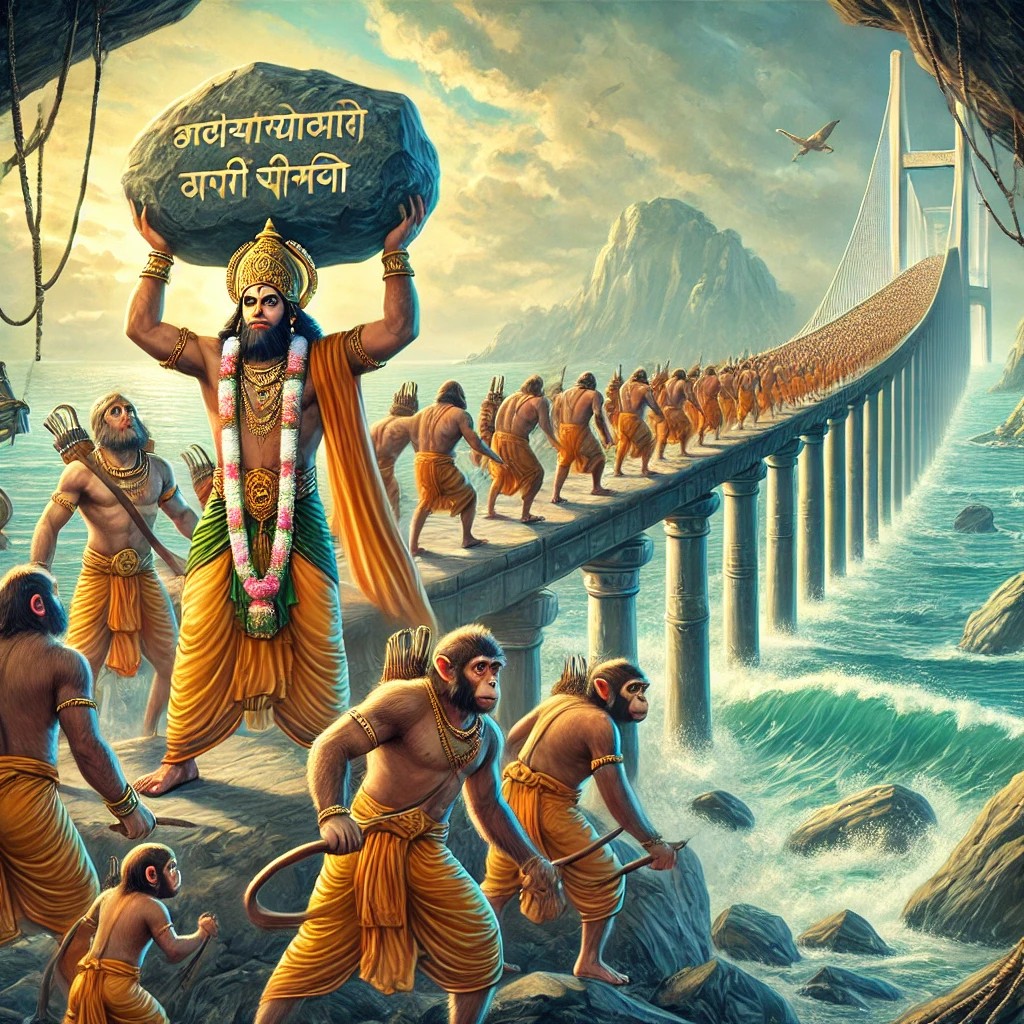
According to Ramcharitmanas, the bridge to Lanka (Ram Setu) was built by both Nal and Neel, who were cursed so that anything they touched would float. However, in Valmiki Ramayana, only Nal constructs the bridge as he is an extraordinary architect and a part of Vishwakarma. This is why Ram Setu is also called Nal Setu.


Neither Ramayana nor Ramcharitmanas refers to Hanuman as a Rudra Avatar (incarnation of Shiva).


Friday, March 21, 2025

Pranayama Mantra in Hindi and English

 Prana Samputikaran Mantra, commonly chanted in Vedic rituals and pranayama practices. The full mantra is as follows:


Full Mantra (Pranayama Mantra)


ॐ प्राणाय स्वाहा  

ॐ अपानाय स्वाहा  

ॐ व्यानाय स्वाहा  

ॐ उदानाय स्वाहा  

ॐ समानाय स्वाहा  

ॐ ब्रह्मणे स्वाहा


Meaning and Detailed Explanation

This mantra invokes the five primary vayus (vital life forces) in the body, each governing specific functions. Let's break down the meaning and significance of each part:


1. ॐ प्राणाय स्वाहा (Om Pranaya Swaha)

Prana Vayu is responsible for inhalation and governs the region between the heart and throat.

It controls breathing, heartbeat, and oxygen supply.

Chanting this brings vitality, energy, and mental clarity.

Deeper Meaning: "I offer myself (symbolized by 'Swaha') to the vital force that sustains life."

2. ॐ अपानाय स्वाहा (Om Apanaya Swaha)

Apana Vayu manages the exhalation process and governs the lower abdomen.

It is linked to elimination (urination, defecation) and reproductive functions.

Chanting this promotes detoxification and purification.

Deeper Meaning: "I surrender to the force that expels impurities from my body."


3. ॐ व्यानाय स्वाहा (Om Vyanaya Swaha)

Vyana Vayu is the circulatory force that distributes energy throughout the body.

It regulates blood circulation, movement, and muscular coordination.

Chanting this enhances bodily strength, stamina, and balance.

Deeper Meaning: "I offer myself to the force that enables my body’s expansion and coordination."


4. ॐ उदानाय स्वाहा (Om Udanaya Swaha)

Udana Vayu is responsible for speech, willpower, and upward movement of energy.

It governs the region of the throat and head.

Chanting this sharpens mental focus, enhances spiritual growth, and strengthens the voice.

Deeper Meaning: "I offer myself to the force that lifts my consciousness and empowers my speech."


5. ॐ समानाय स्वाहा (Om Samanaya Swaha)

Samana Vayu balances digestion and governs the navel area.

It harmonizes Prana and Apana, ensuring proper nutrient absorption and digestion.

Chanting this enhances digestive health and energy balance.

Deeper Meaning: "I offer myself to the force that harmonizes all energies within my body."


6. ॐ ब्रह्मणे स्वाहा (Om Brahmane Swaha)

This is the concluding chant, offering oneself to Brahman — the ultimate cosmic consciousness.

It symbolizes the merging of individual energy with universal energy.

Chanting this aids in spiritual upliftment and inner peace.

Deeper Meaning: "I surrender to the Supreme Consciousness that pervades all existence."


Significance in Pranayama Practice

This mantra is traditionally chanted before starting pranayama exercises like Anulom Vilom, Bhastrika, or Kapalabhati.

By invoking the five vayus, the practitioner aligns bodily energies for better breath control, improved vitality, and deeper meditation.


Benefits of Chanting This Mantra

Balances the five vital energies in the body.

Strengthens the immune system and purifies internal organs.

Enhances mental clarity, focus, and emotional stability.

Awakens spiritual awareness and aids in meditation.


How to Chant the Mantra

1. Sit comfortably in a meditative posture (Padmasana or Sukhasana).

2. Close your eyes, focus on your breath, and chant each line slowly.

3. While chanting, visualize the corresponding energy movement in your body:

Prana (Heart to Throat)

Apana (Lower Abdomen)

Vyana (Entire Body Circulation)

Udana (Throat and Head)

Samana (Navel Region)


4. Conclude by meditating in silence for a few minutes.


The Prana Mantra (ॐ प्राणाय स्वाहा...) is traditionally chanted during Naivedya (food offering) to God because it holds deep spiritual and symbolic significance in Vedic traditions. Here's the detailed explanation:

Why is the Prana Mantra Chanted During Food Offering?

1. Symbolic Offering of Life Energies

The five vāyus — Prana, Apana, Vyana, Udana, and Samana — are the fundamental life forces that sustain the body.

When offering food to God, reciting this mantra signifies that you are not just offering physical food, but also surrendering your vital energies, ego, and actions as an act of complete devotion.

It symbolizes offering the essence of your life back to the divine source.

Example: Just as food nourishes the body, these vital energies nourish life itself. Offering both signifies total surrender to God.


2. Purification of the Offered Food (Naivedya Shuddhi)

Ancient texts describe that before consumption, food may carry negative vibrations or impurities. Chanting this mantra is believed to purify the food, making it sacred and suitable for divine offering.

Each vayu (life energy) represents different functions in the body, ensuring that the food is spiritually charged to nourish those aspects.

For Example:

Prana Vayu — energizes the heart and lungs.

Apana Vayu — aids in digestion and elimination.

Samana Vayu — balances all energies for proper absorption of nutrients.


By invoking these energies, the food is symbolically transformed into prasad — a sanctified offering that spiritually uplifts both the giver and the receiver.


3. Aligning with the Concept of 'Anna Brahma' (अन्नं ब्रह्म)

Vedic philosophy teaches that food is Brahman — the Supreme Consciousness in material form.

By chanting this mantra, you recognize that food is not mere sustenance but a divine gift that sustains life.

Offering food with this understanding elevates the act from a routine habit to a spiritual practice.


4. Gratitude and Humility

The mantra expresses deep gratitude to the Divine for sustaining life through food.

It acknowledges that the body functions not just because of personal effort, but due to the life energies (vayus) bestowed by the Supreme.

This cultivates humility and respect for the sustenance provided by nature and God.


5. Activation of Digestive Fire (Agni)

Vedic tradition emphasizes the role of Jatharagni (digestive fire) in proper digestion.

Chanting this mantra before eating is believed to stimulate this inner fire, ensuring optimal digestion and assimilation of nutrients.


Scriptural Basis

The Prana mantra is linked to the teachings of the Taittiriya Upanishad and Bhagavad Gita:

Taittiriya Upanishad (Brahmananda Valli) highlights the concept of "Anna Brahma", emphasizing that all life emerges from food and is sustained by it.

In the Bhagavad Gita (Chapter 3, Verse 13), Shri Krishna says:

> "Yajna-shishtaamrita-bhujo yanti brahma sanatanam..."

(Those who eat food offered first in sacrifice are freed from all sins.)

By chanting the Prana mantra, you dedicate your food as an offering (yajna) to God, ensuring it becomes spiritually purified.

The Process of Chanting During Food Offering (Naivedya Vidhi)

1. Before Serving the Food — Recite the full Prana mantra while mentally offering the prepared food to God.

2. Mentally Visualize — Imagine the five vital forces absorbing the energy of the food.

3. Conclude with Gratitude — After chanting, mentally invite the divine presence to accept the offering.


Spiritual Message

By chanting this mantra during food offering, you acknowledge that:

God is the giver of food.

God is the energy that digests the food.

God is the one who ultimately receives the offering.


This transforms a routine act of eating into a sacred ritual of connection with the divine.


प्राण संपुटीकरण मंत्र


(यह मंत्र वैदिक अनुष्ठानों और प्राणायाम अभ्यासों में प्रायः उच्चारित किया जाता है।)

पूर्ण मंत्र (प्राणायाम मंत्र)

ॐ प्राणाय स्वाहा  

ॐ अपानाय स्वाहा  

ॐ व्यानाय स्वाहा  

ॐ उदानाय स्वाहा  

ॐ समानाय स्वाहा  

ॐ ब्रह्मणे स्वाहा


अर्थ और विस्तृत व्याख्या

यह मंत्र शरीर में पाँच प्रमुख वायुओं (जीवन ऊर्जा) को जागृत करता है, जो विभिन्न कार्यों का संचालन करते हैं। आइए प्रत्येक भाग का अर्थ और महत्व समझें:

1. ॐ प्राणाय स्वाहा (Om Pranaya Swaha)

प्राण वायु श्वसन क्रिया के लिए उत्तरदायी है और हृदय तथा गले के बीच के क्षेत्र को नियंत्रित करता है।

यह श्वास, हृदयगति और ऑक्सीजन आपूर्ति को नियंत्रित करता है।

इस मंत्र का जाप करने से जीवन ऊर्जा, स्फूर्ति और मानसिक स्पष्टता प्राप्त होती है।

गहरा अर्थ: "मैं स्वयं को उस जीवन शक्ति को समर्पित करता हूँ जो जीवन को बनाए रखती है।"


2. ॐ अपानाय स्वाहा (Om Apanaya Swaha)

अपान वायु श्वसन की निःश्वास प्रक्रिया को नियंत्रित करता है और निचले उदर क्षेत्र में सक्रिय रहता है।

यह मल, मूत्र और प्रजनन क्रियाओं से जुड़ा हुआ है।

इसका जाप करने से शरीर की शुद्धि और विषहरण में सहायता मिलती है।

गहरा अर्थ: "मैं स्वयं को उस शक्ति को समर्पित करता हूँ जो शरीर की अशुद्धियों को बाहर निकालती है।"


3. ॐ व्यानाय स्वाहा (Om Vyanaya Swaha)

व्यान वायु शरीर में ऊर्जा के संचार को नियंत्रित करता है।

यह रक्त परिसंचरण, गति और पेशियों के तालमेल को संचालित करता है।

इस मंत्र का जाप करने से शरीर की ताकत, सहनशक्ति और संतुलन बढ़ता है।

गहरा अर्थ: "मैं स्वयं को उस शक्ति को समर्पित करता हूँ जो मेरे शरीर की ऊर्जा को नियंत्रित और फैलाती है।"


4. ॐ उदानाय स्वाहा (Om Udanaya Swaha)

उदान वायु वाणी, इच्छाशक्ति और ऊर्जा के ऊर्ध्वगमन को नियंत्रित करता है।

यह गले और मस्तिष्क के क्षेत्र में सक्रिय रहता है।

इस मंत्र का जाप करने से मानसिक एकाग्रता, आध्यात्मिक विकास और वाणी की शक्ति बढ़ती है।

गहरा अर्थ: "मैं स्वयं को उस शक्ति को समर्पित करता हूँ जो मेरे चित्त को ऊर्ध्वगामी बनाती है और मेरी वाणी को सशक्त करती है।"


5. ॐ समानाय स्वाहा (Om Samanaya Swaha)

समान वायु पाचन क्रिया को नियंत्रित करता है और नाभि क्षेत्र में सक्रिय रहता है।

यह प्राण और अपान वायु को संतुलित करता है, जिससे पोषक तत्वों का समुचित अवशोषण और पाचन सुनिश्चित होता है।

इस मंत्र का जाप करने से पाचन शक्ति और शरीर में ऊर्जा का संतुलन बढ़ता है।

गहरा अर्थ: "मैं स्वयं को उस शक्ति को समर्पित करता हूँ जो मेरे शरीर की समस्त ऊर्जाओं को संतुलित करती है।"


6. ॐ ब्रह्मणे स्वाहा (Om Brahmane Swaha)

यह अंतिम मंत्र है, जिसमें ब्रह्म (परम चेतना) को समर्पण किया जाता है।

यह व्यक्तिगत ऊर्जा के ब्रह्मांडीय ऊर्जा में विलय का प्रतीक है।

इस मंत्र का जाप करने से आध्यात्मिक उन्नति और आंतरिक शांति प्राप्त होती है।

गहरा अर्थ: "मैं स्वयं को उस परम चेतना को समर्पित करता हूँ जो संपूर्ण सृष्टि में व्याप्त है।"


प्राणायाम अभ्यास में इस मंत्र का महत्व

इस मंत्र का उच्चारण प्रायः अनुलोम-विलोम, भस्त्रिका, और कपालभाति जैसे प्राणायाम अभ्यासों से पहले किया जाता है।

यह शरीर की ऊर्जा को संतुलित कर बेहतर श्वास नियंत्रण, अधिक स्फूर्ति और गहरी ध्यान अवस्था प्राप्त करने में सहायता करता है।


इस मंत्र के जाप के लाभ

✔ शरीर की पाँच प्रमुख ऊर्जाओं को संतुलित करता है।

✔ प्रतिरक्षा तंत्र को मजबूत करता है और आंतरिक अंगों की शुद्धि करता है।

✔ मानसिक स्पष्टता, एकाग्रता और भावनात्मक स्थिरता में सुधार करता है।

✔ आध्यात्मिक जागरूकता बढ़ाता है और ध्यान में सहायता करता है।

-

इस मंत्र का उच्चारण कैसे करें?

1. किसी ध्यान मुद्रा (पद्मासन या सुखासन) में आराम से बैठें।

2. आँखें बंद करें, अपनी श्वास पर ध्यान केंद्रित करें, और प्रत्येक पंक्ति को धीरे-धीरे उच्चारित करें।

3. मंत्र जाप के दौरान शरीर में ऊर्जा प्रवाह की कल्पना करें:

प्राण (हृदय से गला तक)

अपान (निचला उदर क्षेत्र)

व्यान (संपूर्ण शरीर)

उदान (गला और सिर)

समान (नाभि क्षेत्र)


4. अंत में कुछ मिनटों के लिए मौन ध्यान करें।


यह मंत्र भोजन अर्पण (नैवेद्य) के समय क्यों उच्चारित किया जाता है?

1. जीवन ऊर्जा का प्रतीकात्मक अर्पण

जब भोजन भगवान को अर्पित किया जाता है, तो यह केवल भौतिक भोजन नहीं होता, बल्कि हमारी प्राण ऊर्जा, अहंकार और कर्मों का भी समर्पण होता है।

यह मंत्र जीवन के संपूर्ण सार को ईश्वर को समर्पित करने का प्रतीक है।


2. अर्पित भोजन की शुद्धि (नैवेद्य शुद्धि)

वैदिक ग्रंथों के अनुसार, भोजन में नकारात्मक ऊर्जा या अशुद्धियाँ हो सकती हैं।

इस मंत्र का उच्चारण भोजन को शुद्ध और दिव्य बनाने के लिए किया जाता है।


3. 'अन्न ब्रह्म' (अन्नं ब्रह्म) की अवधारणा से सामंजस्य

वैदिक दर्शन में भोजन को ब्रह्म (परम चेतना) का रूप माना गया है।

इस मंत्र का जाप यह स्वीकार करता है कि भोजन केवल भौतिक आहार नहीं, बल्कि ईश्वरीय आशीर्वाद है।


4. कृतज्ञता और विनम्रता

यह मंत्र ईश्वर के प्रति आभार व्यक्त करता है, जो जीवन के लिए भोजन प्रदान करता है।

यह हमें याद दिलाता है कि शरीर केवल हमारे प्रयास से नहीं, बल्कि ब्रह्मांडीय ऊर्जा (वायु) से चलता है।


5. पाचन अग्नि (जठराग्नि) का जागरण

आयुर्वेद में जठराग्नि (पाचन अग्नि) का विशेष महत्व है।

इस मंत्र का जाप भोजन से पहले करने से पाचन क्रिया मजबूत होती है और शरीर भोजन को सही ढंग से ग्रहण कर पाता है।


वैदिक ग्रंथों में इस मंत्र का उल्लेख


तैत्तिरीय उपनिषद (ब्रह्मानंद वल्ली) में "अन्नं ब्रह्म" का सिद्धांत दिया गया है, जिसमें भोजन को जीवन का स्रोत बताया गया है।

भगवद गीता (अध्याय 3, श्लोक 13) में श्रीकृष्ण कहते हैं:

> "यज्ञशिष्टामृतभुजो यान्ति ब्रह्म सनातनम्..."

(जो भोजन यज्ञ में अर्पण किया जाता है, वह आत्मा को शुद्ध करता है।)


निष्कर्ष

इस मंत्र का जाप भोजन को ईश्वरीय प्रसाद बनाने, शरीर की ऊर्जाओं को संतुलित करने, और आध्यात्मिक उन्नति के लिए किया जाता है।


Tuesday, March 18, 2025

Panchatantra: The Lion and the Bull (सिंह और बैल की कहानी)

 The Lion and the Bull (सिंह और बैल की कहानी)


हिंदी में पढ़ने के लिए स्क्रॉल डाउन करें 

Once upon a time, in a vast and dense forest, there lived a mighty lion named Pingalaka. He ruled the jungle with great strength and was feared by all animals. Pingalaka had two clever jackals named Karataka and Damanaka who served as his ministers.

One year, the forest faced a severe drought. The trees withered, rivers dried up, and food became scarce. The animals were struggling to survive. One day, as Pingalaka wandered in search of water, he found a small pond deep in the jungle that still had some water. He decided to stay nearby to protect this vital water source.


Coincidentally, in the same forest, there was a strong bull named Sanjeevaka. Sanjeevaka had once been a merchant’s bull, used for pulling heavy carts. While traveling with his master, Sanjeevaka had injured his leg. Unable to walk further, the merchant abandoned him in the forest and moved on. Fortunately, Sanjeevaka found lush green grass and fresh water near the pond. Over time, his leg healed, and he regained his strength.


Since Sanjeevaka was now strong and healthy, he often roamed the forest freely. His loud bellowing echoed across the jungle, frightening many animals.


One day, Pingalaka heard Sanjeevaka’s deafening roar. Unfamiliar with the sound, Pingalaka mistakenly believed it was the roar of a powerful beast. Terrified, he returned to his cave without drinking water.

Seeing the lion frightened, Karataka and Damanaka approached him.

"My lord, you seem troubled. What is the matter?" Damanaka asked.

Pingalaka replied, "I have heard a dreadful roar near the pond. Surely, some dangerous beast has arrived in our territory. I must avoid it."

Damanaka, being shrewd, sensed an opportunity to gain the king's favor. He said, "My lord, allow me to investigate this sound. If the beast is dangerous, we will find a way to outsmart it."

Pingalaka agreed. Damanaka went to find the source of the roar and soon discovered Sanjeevaka grazing peacefully. After speaking with Sanjeevaka, Damanaka realized he was no threat. Instead, Sanjeevaka was a calm and wise bull.

Damanaka returned to Pingalaka and said, "My lord, the source of the roar is not a fearsome beast but a humble bull named Sanjeevaka. He is strong, but he means no harm. If we befriend him, he can become a valuable ally."

Taking Damanaka's advice, Pingalaka invited Sanjeevaka to join his court. Over time, Sanjeevaka became one of Pingalaka's closest companions. They shared long conversations, and Pingalaka valued his wisdom and strength.

However, this newfound friendship worried Karataka and Damanaka. They feared they would lose their influence over the king.

Karataka whispered to Damanaka, "This bull has turned the king against us. If we don’t act, we'll be left powerless."

To regain control, Damanaka devised a cunning plan. He approached Pingalaka and said, "My lord, Sanjeevaka has evil intentions. He believes that you are growing old and weak, and he plans to take over the kingdom."

Pingalaka was shocked but trusted Damanaka. He angrily confronted Sanjeevaka, who had no idea why the lion was furious.

"You traitor!" roared Pingalaka. "How dare you plot against me?"

Before Sanjeevaka could explain, the enraged lion attacked him. Despite his strength, Sanjeevaka could not match Pingalaka’s power and was killed in the fight.


Afterward, Karataka and Damanaka rejoiced, knowing they had once again secured their influence over the king.

Moral of the Story: Beware of manipulative individuals who create misunderstandings for their own gain. Blind trust without verification can lead to disaster.


हिंदी संस्करण (विस्तृत)


बहुत समय पहले की बात है, एक घने जंगल में पिंगलक नामक एक शक्तिशाली शेर रहता था। वह जंगल का राजा था और सभी जानवर उससे डरते थे। पिंगलक के दो मंत्री थे — चालाक गीदड़ करटक और दमनक।


एक साल जंगल में भयंकर सूखा पड़ा। पेड़-पौधे मुरझा गए, नदियाँ सूख गईं और भोजन मिलना मुश्किल हो गया। सभी जानवर पानी और भोजन के लिए भटक रहे थे।


एक दिन पिंगलक पानी की तलाश में घूम रहा था, तभी उसने जंगल के बीच एक छोटा तालाब देखा जिसमें थोड़ा पानी बचा हुआ था। शेर ने फैसला किया कि वह उसी के पास रहेगा ताकि इस जल स्रोत पर उसका अधिकार बना रहे।


इसी जंगल में एक बलवान बैल संजीवक भी रहता था। संजीवक पहले एक व्यापारी के पास था, जो भारी सामान ढोने का काम करता था। एक बार यात्रा के दौरान संजीवक का पैर चोटिल हो गया। व्यापारी ने उसे जंगल में छोड़ दिया और आगे बढ़ गया।


संजीवक को तालाब के पास हरी घास और पानी मिल गया, जिससे वह धीरे-धीरे स्वस्थ हो गया और पहले से अधिक ताकतवर बन गया।


संजीवक अपनी मस्ती में घूमते हुए जोर-जोर से डकारने लगा। उसकी डरावनी आवाज जंगल में गूंजने लगी, जिससे कई जानवर भयभीत हो गए।


एक दिन पिंगलक ने संजीवक की तेज आवाज सुनी। वह समझा कि कोई भयानक दैत्य जंगल में आ गया है। डर के मारे वह बिना पानी पिए अपनी गुफा में लौट आया।


पिंगलक को डरते देख करटक और दमनक उसके पास गए।


"महाराज, आप इतने चिंतित क्यों हैं?" दमनक ने पूछा।


पिंगलक ने कहा, "मैंने तालाब के पास बहुत भयानक आवाज सुनी है। मुझे लगता है कि कोई खतरनाक जीव हमारे क्षेत्र में आ गया है।"


दमनक ने अवसर भांपते हुए कहा, "महाराज, मुझे उस आवाज की जांच करने दीजिए। यदि वह जीव खतरनाक हुआ, तो हम उसका उपाय निकाल लेंगे।"


पिंगलक ने अनुमति दी। दमनक संजीवक के पास गया और उसकी कहानी सुनी। दमनक समझ गया कि संजीवक कोई खतरा नहीं है। वह तो एक शांतिपूर्ण बैल था।


दमनक ने पिंगलक को बताया, "महाराज, वह डरावनी आवाज एक बैल की है जिसका नाम संजीवक है। वह कोई राक्षस नहीं है। यदि आप उससे मित्रता कर लें, तो वह आपका शक्तिशाली सहयोगी बन सकता है।"


पिंगलक ने संजीवक को अपने दरबार में बुलाया। धीरे-धीरे संजीवक और पिंगलक के बीच गहरी मित्रता हो गई। संजीवक की समझदारी के कारण पिंगलक ने उसकी सलाह को अधिक महत्व देना शुरू कर दिया।


यह देखकर करटक और दमनक को चिंता होने लगी। उन्होंने महसूस किया कि संजीवक के कारण वे राजा के निकट नहीं रह पाएंगे।


करटक ने दमनक से कहा, "यदि हम कुछ नहीं करेंगे तो हमारी स्थिति खत्म हो जाएगी।"


दमनक ने पिंगलक के पास जाकर कहा, "महाराज, संजीवक आपकी सत्ता हथियाना चाहता है। वह सोचता है कि आप बूढ़े हो गए हैं और अब कमजोर हैं।"


यह सुनकर पिंगलक क्रोधित हो गया। उसने तुरंत संजीवक को चुनौती दी। संजीवक को इस हमले का कारण समझ में नहीं आया।


"दग़ाबाज़! तू मेरे राज्य पर कब्ज़ा करना चाहता है!" पिंगलक गरज उठा।


गुस्से में पिंगलक ने संजीवक पर हमला कर दिया। संजीवक बहुत शक्तिशाली था, लेकिन वह शेर के क्रोध का सामना नहीं कर सका और मारा गया।


संजीवक की मृत्यु के बाद करटक और दमनक ने राहत की सांस ली क्योंकि उनकी स्थिति फिर से मज़बूत हो गई थी।


कहानी का संदेश: चालाक लोग अक्सर अपने स्वार्थ के लिए दूसरों के बीच गलतफहमियाँ पैदा करते हैं। 

बिना सत्यापन के किसी पर विश्वास करना विनाशकारी हो सकता है।


Wednesday, February 26, 2025

Different stories on Shiv Ratri (.Hindi and English)

 हिंदी में पढ़ने के लिए स्क्रॉल डाउन करें

Different stories on Shiv Ratri

1. The origin


The origin of Shiva Linga is closely associated with Mahashivaratri. 

The Dispute Between Brahma and Vishnu and the Appearance of the Fire Linga

A long time ago, Lord Brahma, the creator of the universe, and Lord Vishnu, the preserver, got into a great dispute over who was the supreme being. Each claimed to be the most powerful, and their argument grew so intense that the balance of the cosmos was disturbed.

Seeing the growing tension, the other gods and sages prayed to Lord Shiva for intervention. In response, Shiva decided to resolve the dispute in a way that would teach both Brahma and Vishnu humility.

Suddenly, an enormous, blazing pillar of fire appeared between them, stretching infinitely in both directions. This was the Jyotirlinga, a fiery column of divine energy that had no beginning and no end. A voice echoed from the pillar, declaring, “He who can find the top or bottom of this pillar shall be deemed the supreme one.”

The Search for the Ends of the Fire Linga

Brahma and Vishnu accepted the challenge and set out in opposite directions. Vishnu, taking the form of a boar (Varaha), dived deep into the lower worlds, digging through the cosmic layers in search of the base. Meanwhile, Brahma transformed into a swan and flew upwards, hoping to find the top.

For thousands of years, both searched tirelessly, but they could not find the ends of the fiery pillar. Realizing his failure, Vishnu humbly returned and admitted defeat, accepting Shiva’s supremacy.

Brahma, however, did not want to lose. On his way up, he saw a Ketaki flower drifting down and tricked it into falsely testifying that he had reached the top. When Brahma declared his victory before Shiva, the all-knowing deity was enraged.


Shiva’s Judgment

Shiva emerged from the fire linga, his form radiating divine energy. He looked at Brahma and said, “You have lied out of arrogance, and for this, you shall not be worshipped in temples.” This is why Brahma has very few temples dedicated to him.

Shiva then turned to Vishnu and said, “You accepted the truth with humility, and for this, you shall be loved and worshipped forever.”

The gods and sages bowed before Shiva, recognizing him as the supreme being. From that moment, the Jyotirlinga became the sacred symbol of Shiva’s limitless power, and devotees worship it as his formless divine presence.

 This column of light is regarded as the first linga manifestation of Lord Shiva which happened on the 14th day of ‘Krishna Paksha’ of ‘Phalgun’, revered as Mahashivaratri.


शिव लिंग की उत्पत्ति महाशिवरात्रि से बहुत निकटता से जुड़ी हुई है।

ब्रह्मा और विष्णु के बीच विवाद और अग्नि लिंग का प्रकट होना

बहुत समय पहले, ब्रह्मांड के निर्माता भगवान ब्रह्मा और पालनकर्ता भगवान विष्णु के बीच इस बात पर बहुत बड़ा विवाद हुआ कि सर्वोच्च कौन है। दोनों ने सबसे शक्तिशाली होने का दावा किया और उनका तर्क इतना तीव्र हो गया कि ब्रह्मांड का संतुलन बिगड़ गया।


बढ़ते तनाव को देखकर, अन्य देवताओं और ऋषियों ने भगवान शिव से हस्तक्षेप करने की प्रार्थना की। जवाब में, शिव ने विवाद को इस तरह से हल करने का फैसला किया जिससे ब्रह्मा और विष्णु दोनों को विनम्रता की शिक्षा मिले।

अचानक, उनके बीच आग का एक विशाल, धधकता हुआ स्तंभ प्रकट हुआ, जो दोनों दिशाओं में अनंत तक फैला हुआ था। यह ज्योतिर्लिंग था, दिव्य ऊर्जा का एक ज्वलंत स्तंभ जिसका न तो कोई आरंभ था और न ही कोई अंत। स्तंभ से एक आवाज़ गूंजी, जिसमें कहा गया था, "जो इस स्तंभ के ऊपर या नीचे का भाग खोज लेगा, उसे सर्वोच्च माना जाएगा।"


 अग्नि लिंग के छोर की खोज

ब्रह्मा और विष्णु ने चुनौती स्वीकार की और विपरीत दिशाओं में चल पड़े। विष्णु ने एक सूअर (वराह) का रूप धारण किया और आधार की खोज में ब्रह्मांडीय परतों को खोदते हुए निचले लोकों में गहराई तक गोता लगाया। इस बीच, ब्रह्मा ने एक हंस का रूप धारण किया और शीर्ष को खोजने की उम्मीद में ऊपर की ओर उड़ गए।

हजारों वर्षों तक, दोनों ने अथक खोज की, लेकिन वे अग्नि स्तंभ के छोर नहीं पा सके। अपनी विफलता का एहसास करते हुए, विष्णु विनम्रतापूर्वक वापस लौटे और शिव की सर्वोच्चता को स्वीकार करते हुए हार मान ली।

हालांकि, ब्रह्मा हारना नहीं चाहते थे। ऊपर जाते समय, उन्होंने एक केतकी फूल को नीचे बहते हुए देखा और उसे धोखा देकर झूठी गवाही दी कि वे शीर्ष पर पहुँच गए हैं। जब ब्रह्मा ने शिव के सामने अपनी जीत की घोषणा की, तो सर्वज्ञ देवता क्रोधित हो गए।


शिव का निर्णय

शिव अग्नि लिंग से प्रकट हुए, उनका रूप दिव्य ऊर्जा को विकीर्ण कर रहा था। उन्होंने ब्रह्मा की ओर देखा और कहा, "तुमने अहंकार के कारण झूठ बोला है, और इसके लिए तुम्हें मंदिरों में पूजा नहीं जाना चाहिए।" यही कारण है कि ब्रह्मा के बहुत कम मंदिर हैं।

फिर शिव ने विष्णु की ओर रुख किया और कहा, "तुमने विनम्रता के साथ सत्य को स्वीकार किया है, और इसके लिए तुम्हें हमेशा प्यार और पूजा जाएगा।"

देवताओं और ऋषियों ने शिव के सामने सिर झुकाया, उन्हें सर्वोच्च प्राणी के रूप में पहचाना। उस क्षण से, ज्योतिर्लिंग शिव की असीम शक्ति का पवित्र प्रतीक बन गया, और भक्त इसे उनकी निराकार दिव्य उपस्थिति के रूप में पूजते हैं।

प्रकाश के इस स्तंभ को भगवान शिव का पहला लिंग रूप माना जाता है जो 'फाल्गुन' के 'कृष्ण पक्ष' के 14वें दिन हुआ था, जिसे महाशिवरात्रि के रूप में पूजा जाता है।


2. Wedding of Bhagwan Shiva and Goddess Parvati


A long time ago, Goddess Parvati was deeply in love with Lord Shiva. But Shiva, lost in deep meditation on Mount Kailash, was indifferent to everything around him. Determined to win his heart, Parvati performed intense penance for many years. Her devotion moved Lord Vishnu, who assured her that Shiva would accept her.

Meanwhile, the gods were worried about a powerful demon, Tarakasura, who could only be defeated by Shiva’s son. But since Shiva had renounced worldly life, he had no child. The gods prayed for Parvati’s success, and eventually, Shiva recognized her dedication. He agreed to marry her, and their grand wedding took place on the night of Maha Shivratri. This sacred night is celebrated as their divine union, reminding devotees of the power of devotion and love.

बहुत समय पहले, देवी पार्वती भगवान शिव से बहुत प्रेम करती थीं। लेकिन कैलाश पर्वत पर गहरे ध्यान में खोए शिव अपने आस-पास की हर चीज़ के प्रति उदासीन थे। उनका दिल जीतने के लिए दृढ़ संकल्पित पार्वती ने कई वर्षों तक कठोर तपस्या की। उनकी भक्ति ने भगवान विष्णु को द्रवित कर दिया, जिन्होंने उन्हें आश्वासन दिया कि शिव उन्हें स्वीकार करेंगे।

इस बीच, देवता एक शक्तिशाली राक्षस, तारकासुर के बारे में चिंतित थे, जिसे केवल शिव के पुत्र द्वारा ही हराया जा सकता था। लेकिन चूँकि शिव ने सांसारिक जीवन त्याग दिया था, इसलिए उनकी कोई संतान नहीं थी। देवताओं ने पार्वती की सफलता के लिए प्रार्थना की और अंततः शिव ने उनके समर्पण को पहचान लिया। वह उनसे विवाह करने के लिए सहमत हो गए और महा शिवरात्रि की रात को उनका भव्य विवाह हुआ। इस पवित्र रात को उनके दिव्य मिलन के रूप में मनाया जाता है, जो भक्तों को भक्ति और प्रेम की शक्ति की याद दिलाता है।


3. The Night of Shiva’s Cosmic Dance (Tandava)


Once, the world was in chaos, and darkness threatened to consume everything. The gods and sages pleaded for Lord Shiva’s intervention. To restore balance, Shiva performed the Tandava, the cosmic dance of destruction and creation, on the night of Maha Shivratri.

As he danced, the rhythm of the universe aligned, and harmony was restored. The world witnessed his supreme power, reminding everyone that destruction is necessary for rebirth and transformation. Devotees stay awake all night on Shivratri, praying and singing in honor of Shiva’s dance, which represents the cycle of life and the eternal flow of the cosmos.

एक बार, दुनिया में अराजकता फैल गई थी और अंधकार ने सब कुछ निगलने की धमकी दी थी। देवताओं और ऋषियों ने भगवान शिव से हस्तक्षेप करने की विनती की। संतुलन बहाल करने के लिए, शिव ने महा शिवरात्रि की रात को विनाश और सृजन का ब्रह्मांडीय नृत्य, तांडव किया।

जैसे ही उन्होंने नृत्य किया, ब्रह्मांड की लय संरेखित हो गई और सद्भाव बहाल हो गया। दुनिया ने उनकी सर्वोच्च शक्ति को देखा, जो सभी को याद दिलाती है कि पुनर्जन्म और परिवर्तन के लिए विनाश आवश्यक है। शिवरात्रि पर भक्त पूरी रात जागते हैं, शिव के नृत्य के सम्मान में प्रार्थना और गायन करते हैं, जो जीवन के चक्र और ब्रह्मांड के शाश्वत प्रवाह का प्रतिनिधित्व करता है।


4. . The Legend of the Hunter and the Shivling

A hunter named Suswara wandered through a dense forest in search of food. As night fell, he climbed a tree to stay safe from wild animals. To pass the time, he unknowingly plucked leaves and dropped them below. Little did he know that there was a Shivling beneath the tree, and the leaves were Bilva leaves—sacred to Shiva.

Unaware of his actions, he also fasted throughout the night as he had no food. By morning, Lord Shiva appeared before him and blessed him with enlightenment. The hunter, once a sinner, was freed from his past mistakes and attained moksha (liberation).

This story signifies the importance of devotion, even when done unknowingly, and highlights that Maha Shivratri is a night of blessings, forgiveness, and spiritual awakening.

Each of these legends gives Maha Shivratri its special meaning—Shiva’s divine marriage, his cosmic dance, and the power of devotion. Devotees celebrate by fasting, staying awake, and offering prayers, seeking Shiva’s blessings for peace, wisdom, and liberation.

सुस्वरा नामक एक शिकारी भोजन की तलाश में घने जंगल में भटक रहा था। रात होने पर वह जंगली जानवरों से बचने के लिए एक पेड़ पर चढ़ गया। समय बिताने के लिए उसने अनजाने में पत्ते तोड़कर नीचे गिरा दिए। उसे पता नहीं था कि पेड़ के नीचे एक शिवलिंग है और वे पत्ते बिल्वपत्र थे - जो शिव को समर्पित हैं।

अपने किए से अनजान, उसने रात भर उपवास भी किया क्योंकि उसने कुछ नहीं खाया था। सुबह होने पर भगवान शिव उसके सामने प्रकट हुए और उसे ज्ञान का आशीर्वाद दिया। शिकारी, जो कभी पापी था, अपनी पिछली गलतियों से मुक्त हो गया और मोक्ष (मुक्ति) प्राप्त कर ली।

यह कहानी अनजाने में की गई भक्ति के महत्व को दर्शाती है और इस बात पर प्रकाश डालती है कि महा शिवरात्रि आशीर्वाद, क्षमा और आध्यात्मिक जागृति की रात है।

इनमें से प्रत्येक किंवदंती महा शिवरात्रि को अपना विशेष अर्थ देती है - शिव का दिव्य विवाह, उनका ब्रह्मांडीय नृत्य और भक्ति की शक्ति। भक्तजन उपवास रखकर, जागकर, प्रार्थना करके, शांति, ज्ञान और मुक्ति के लिए शिव का आशीर्वाद मांगते हुए इस त्यौहार को मनाते हैं।